
Roof Leak Repair in Watauga, TX
Water on a ceiling tells you there is a problem. We trace the roof-side entry, examine the material around it and repair the connection that lets rain in.
Trace the roof leak beyond the ceiling stain
A stain beside a bedroom wall does not mean the opening is directly above it. Rain can follow the underside of decking, a rafter or a pipe before it drips onto the ceiling. Repairing only the spot that looks nearest from outside can leave the actual entry untouched.
We start with the leak you noticed and inspect the roof details that could feed that path. A vent collar, wall joint and valley each need a different repair. Earlier patches are examined too, because sealant can hide a damaged lap without rebuilding it.
The repair reaches sound material around the failure. That can mean replacing one detail and adjoining shingles, or opening a wider area where water has damaged the layers beneath. The size of the ceiling mark does not determine that boundary.
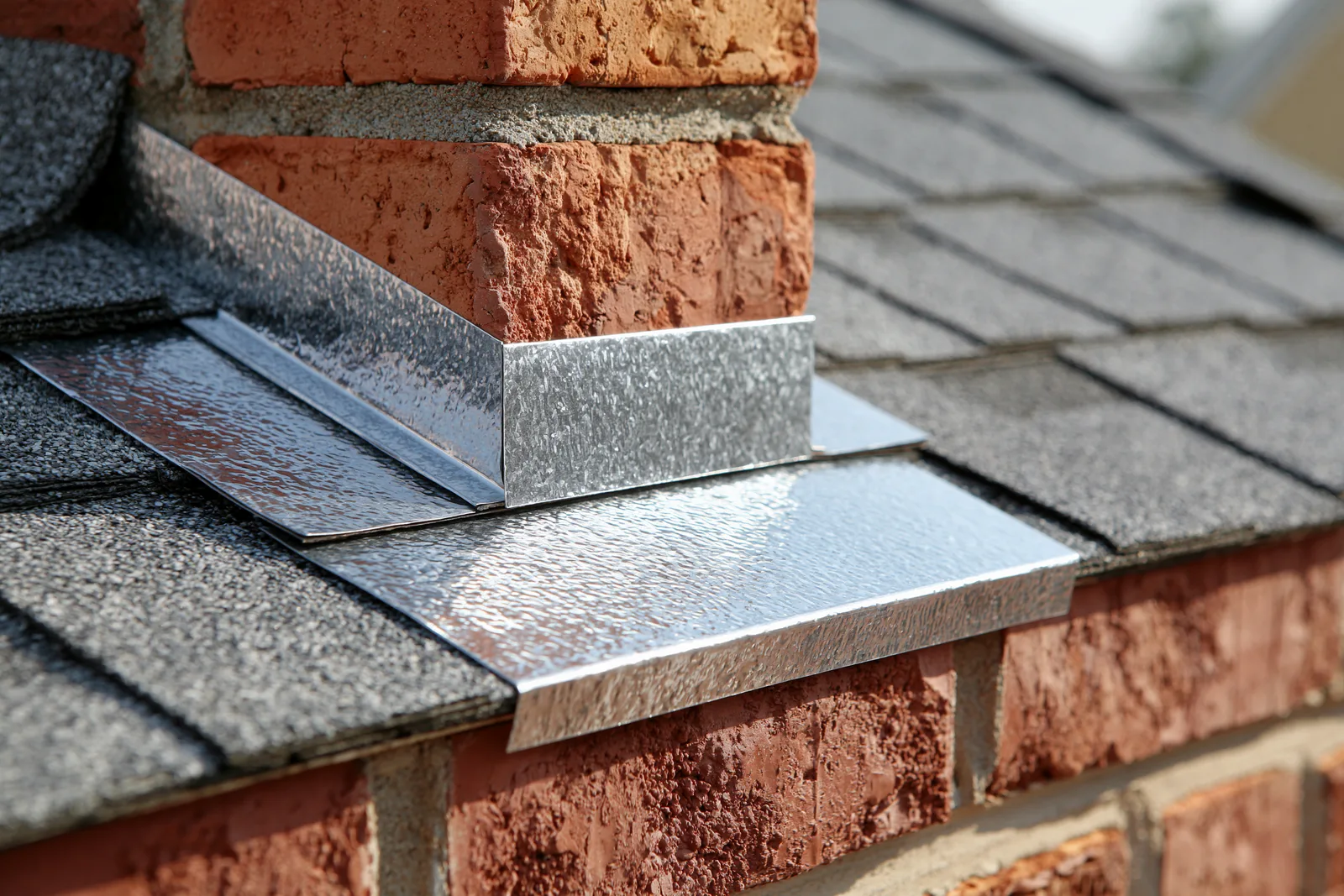
Leak paths at penetrations and roof joints
Roofs keep rain outside through connected layers. The work depends on which connection has failed.
Our flashing repair service addresses the roof-to-wall and penetration connections described here.
Pipe boots
A split collar admits rain beside the pipe. A damaged base or poor shingle lap creates another path. The replacement detail needs to fit both the pipe and the roof surface.
Roof-to-wall flashing
Step flashing and the wall covering work together to turn runoff outward. Caulk on the face cannot replace missing pieces or correct a lap that directs water behind the roof.
Valleys
Runoff from two roof planes concentrates in the valley. Damage, debris or failed adjoining material needs to be addressed across that water path, not only at one visible drip.
Fasteners and disturbed roofing
Exposed fastener openings or damage around earlier work need compatible repairs. The material beneath the opening and the surrounding covering determine whether a small repair will hold a sound connection.
Why a surface patch is sometimes not enough
Sealant has legitimate uses within roofing details. It cannot replace missing layers or restore decayed wood.
A localized, compatible repair
Where the adjoining roofing is sound, a repair can replace the failed part and reconnect its laps. That retains useful material and avoids opening more roof than the work requires.
Damage beneath the surface
Wet or deteriorated decking and underlayment change the scope. Covering those materials leaves the support or water path unresolved; the repair needs to address them before the roof is closed.
A leak that has returned
A returning leak calls for revisiting the cause, the earlier repair and nearby entries. Repeating the same surface patch without that investigation can repeat the same unresolved problem.
An active leak needs a safe first step
- Say that water is coming in now
Call with the location and what you have noticed. Keep away from wet electrical fittings and sagging ceilings; immediate danger needs emergency services.
- Keep the roof access safe
Do not climb onto a wet, damaged or wind-exposed roof. Temporary weather protection depends on safe working conditions and is separate from the permanent repair.
- Plan for the wet interior too
Stopping rain entry does not dry insulation, wallboard or other indoor materials. Interior drying and repairs need their own assessment and scope.
Roof leak repair cost and scope
Leak repairs are priced from the actual failed detail and affected layers. A small stain can conceal more work than an obvious missing shingle.
The wider roof repair scope also explains how damaged layers and adjoining material change the work.
Watauga roof leak repair FAQs
Can a roof leak start far from the stain?
Yes. Water follows gravity and the surfaces it meets, including decking and framing. The stain can be downhill or sideways from the roof opening. The inspection needs to trace that connection rather than select a repair from the room location alone.
Can a leak be fixed while it is raining?
Safe temporary protection may be possible, but wet surfaces, wind and access can prevent roof work. Some repair materials also require a clean, dry surface. The immediate protection and the finished repair are planned separately.
Why does my roof only leak in wind-driven rain?
Wind can drive water toward a joint or under an exposed edge that sheds rain in calmer weather. A failed wall detail or flashing lap can also be involved. The roof needs inspection to locate the path; that rain pattern does not identify one universal cause.