Metal Roofing in Watauga, TX
Metal roofing changes more than the look of a house. We help plan the panel system, attachment and roof details around the structure beneath it.
Consider metal roofing for a Watauga home
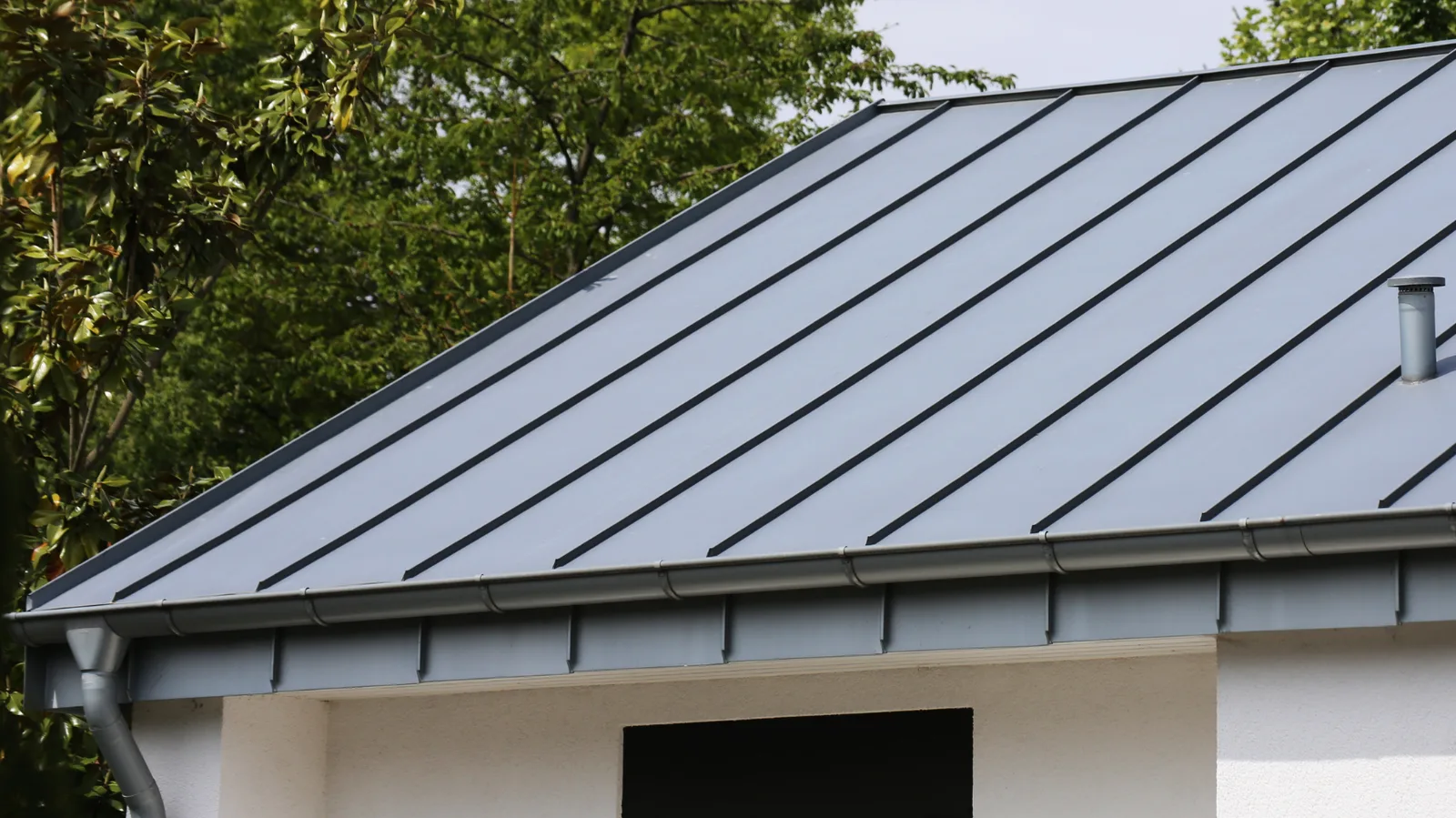
A metal roof can create strong lines across a simple slope or carry a different profile across a complex roof. The right choice starts with the roof shape, pitch and supporting structure, then moves to appearance. A panel selected for one slope is not automatically suitable for another.
We review how a proposed system would handle valleys, wall joints, pipe penetrations and edges. Those transitions require deliberate details; they do not disappear because the open roof field is made from long panels.
Replacing shingles with metal also raises questions about removal, deck condition and attachment. The existing roof and the selected assembly determine the work. We explain those choices and the care the selected system needs.
Standing seams and exposed fasteners
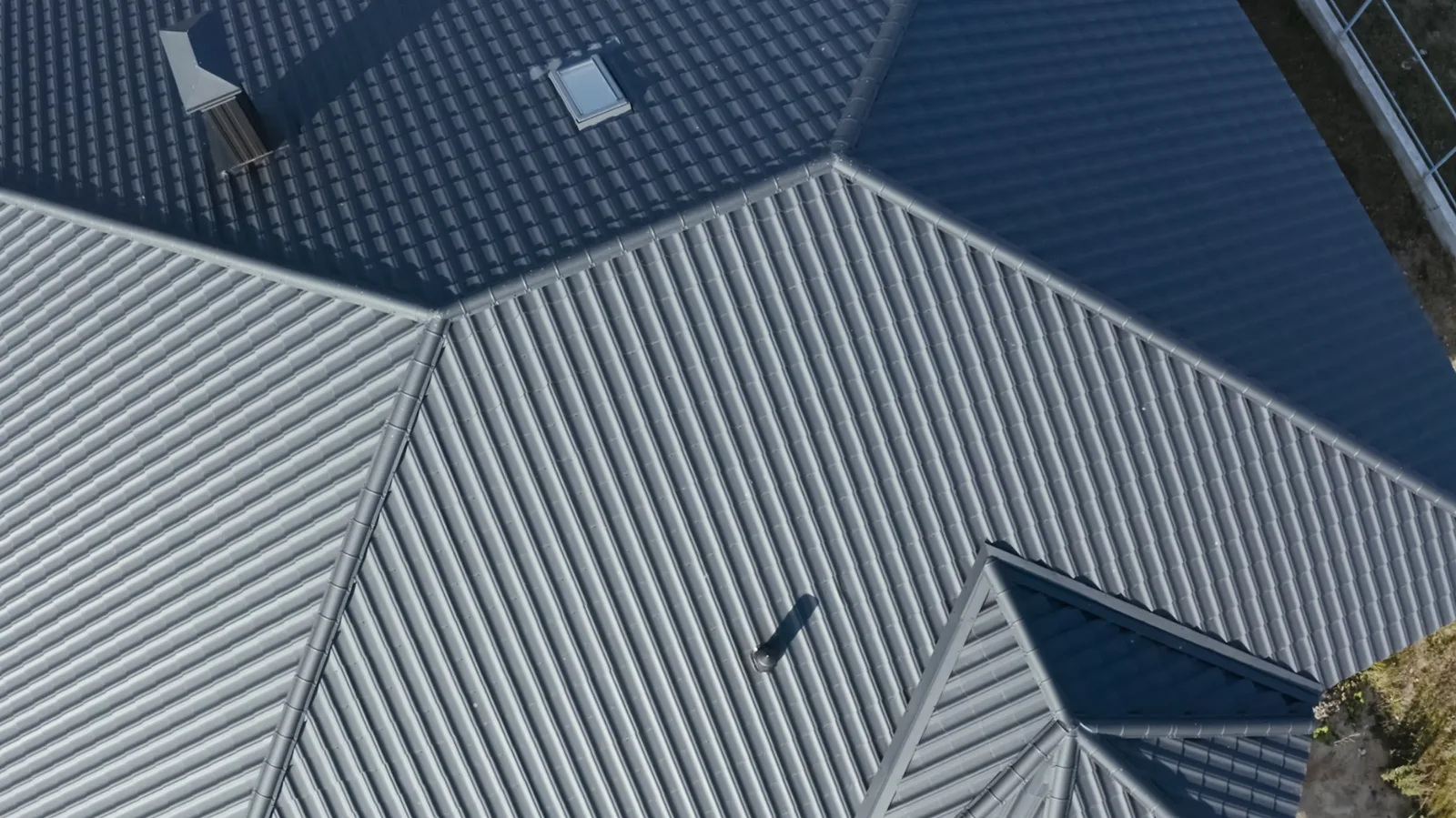
Seam and fastening designs control how panels join the roof and respond to movement. The exact product matters within each category.
The warranty guide helps separate material coverage from installation responsibilities.
Standing-seam systems
Raised panel joints conceal the main attachment in many standing-seam assemblies. Suitable clips and details accommodate temperature-driven movement while resisting uplift. Seams, terminations and penetrations still need inspection and maintenance.
Exposed-fastener systems
Fasteners pass through the panel at specified locations, with sealing components at those openings. Fastener condition, washer performance and the surrounding panel become part of future maintenance. A different attachment pattern or panel profile changes the requirements.
The details beneath a metal roof
A sound metal roof is an assembly. Panel appearance alone does not establish its weather resistance or fit for a house.
Deck and underlayment
The substrate must support the selected attachment and provide a suitable surface. Underlayment is chosen for the metal system and its exposure conditions, with damaged decking addressed before covering it.
Movement and attachment
Metal changes length with temperature. Attachment and transitions need to accommodate the designed movement without loosening connections or forcing the panels against fixed details.
Penetrations and compatible materials
Pipe, wall and equipment flashings must suit the panel shape and movement. Dissimilar metals and incompatible sealants can create problems at a connection that otherwise looks complete.
Edges, valleys and drainage
Water needs a clear route off the roof. Panel ends, valley details and gutter connections are planned together, including runoff from roof planes above lower sections.
Metal roof cost and replacement planning
The roof area is only one part of a metal replacement budget. We define the system and the work around it before giving a project price.
Our roof cost guide explains general project drivers; its asphalt example is not a metal-roof price.
Watauga metal roofing FAQs
Can metal roofing go over shingles?
Some systems allow installation over a suitable existing assembly, but the deck, moisture condition, roof layers, attachment and applicable code all matter. Leaving shingles in place also leaves concealed conditions harder to examine. The actual roof needs assessment before choosing an overlay.
Will a metal roof need maintenance?
Yes. Flashings, penetrations, seams, drainage and any exposed fasteners need attention over time. Maintenance follows the installed system and what the roof is exposed to. Metal is not a maintenance-free covering.
Is metal roofing suitable for a low slope?
Some metal systems are designed for low slopes; others require a steeper pitch. The panel profile, seam construction and manufacturer requirements govern suitability. A generic metal-roof label is not enough to approve the assembly for a particular slope.